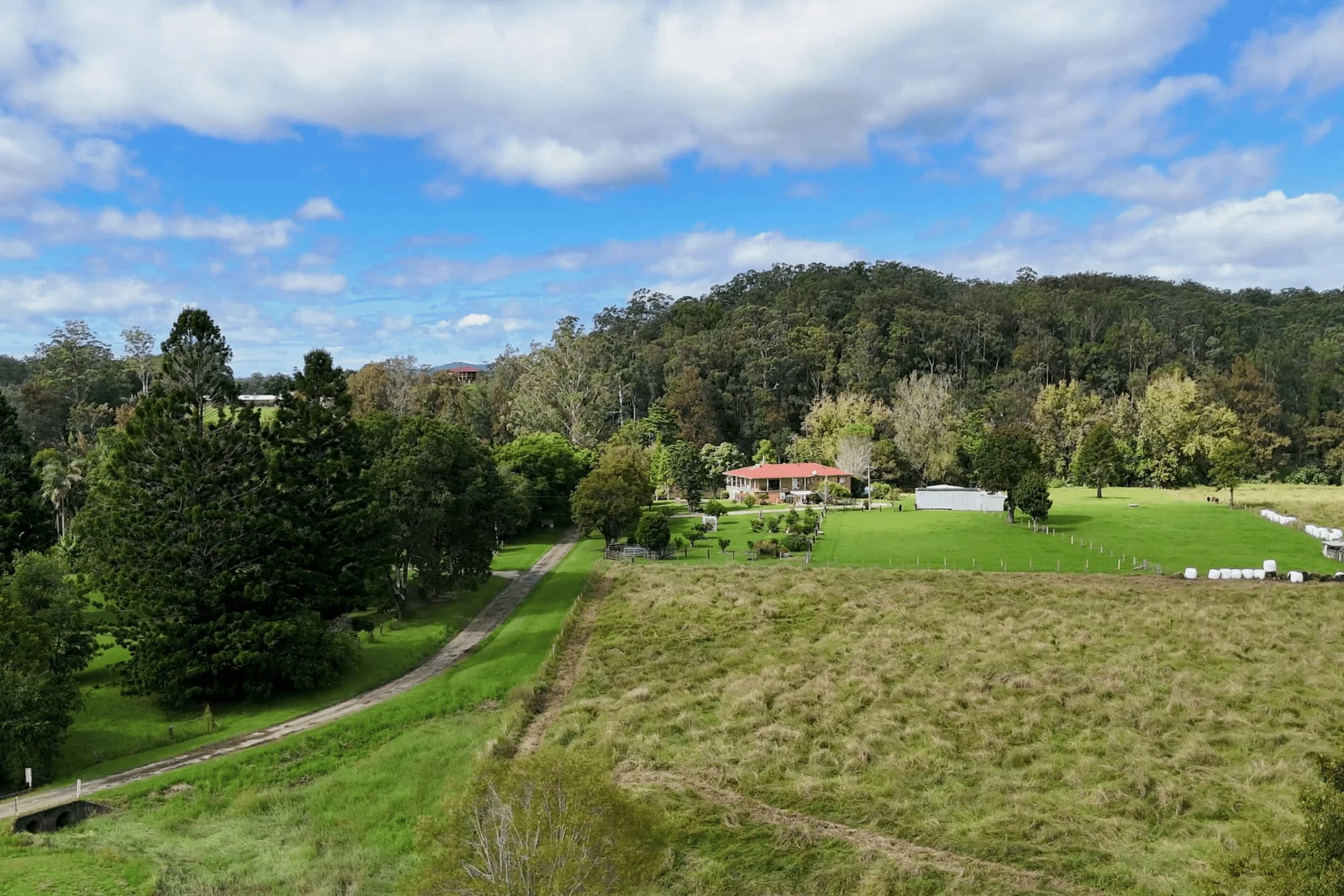
Buying Rural Property in the Sunshine Coast Hinterland: Easements, Access & Water Rights
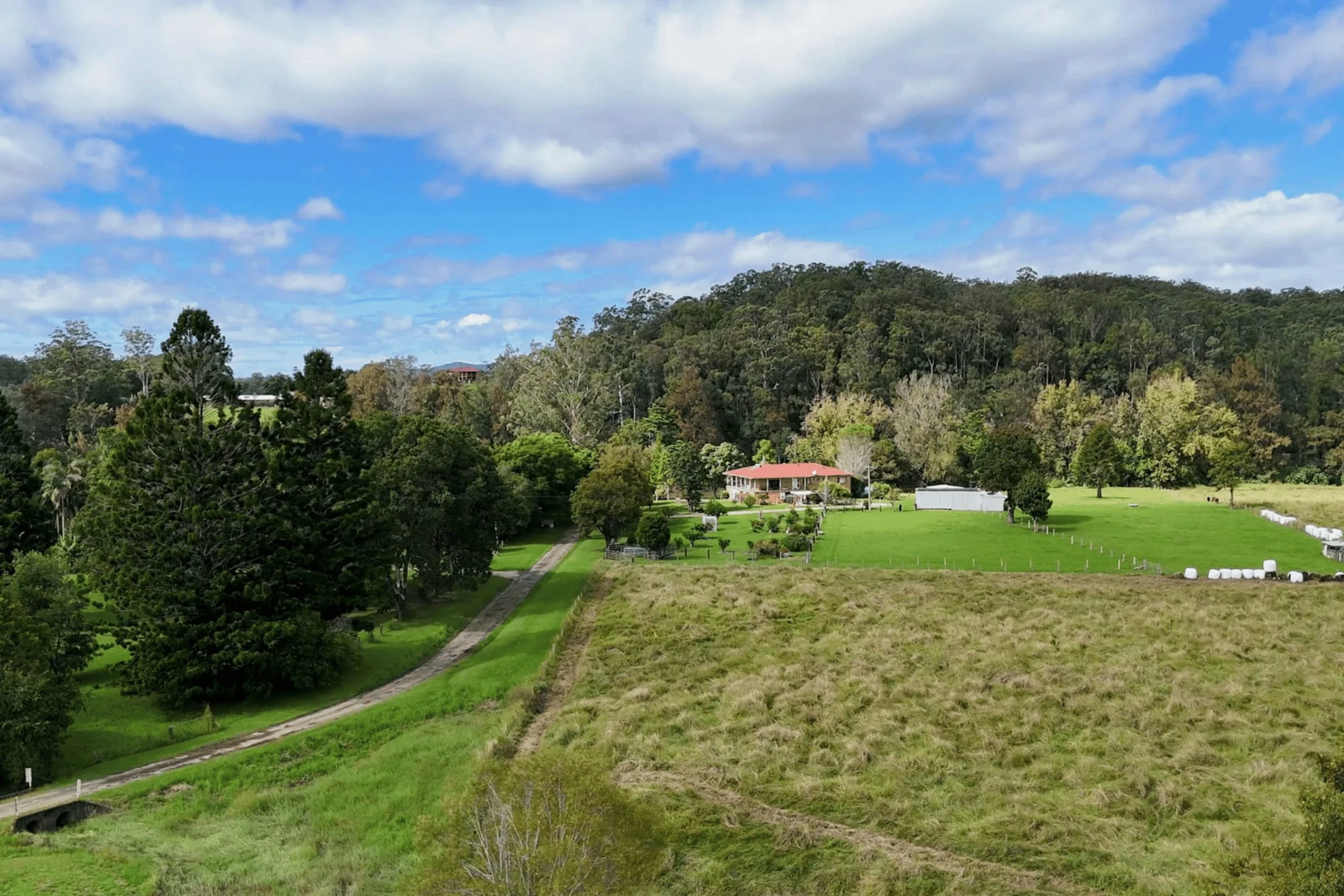
Stand on a ridge above Maleny on a clear morning, and it is easy to fall for a place before asking how you reach it in the wet, or where the water comes from in October. That is a very human way to shop, and nothing here is meant to talk you out of it.
Buying rural property just turns on a few things a suburban purchase rarely raises. Three of them matter most: how you legally get in and out, what water you are allowed to use, and what the land is permitted to be used for. The useful part is that all three are checkable before you sign.
What should you check before buying rural property in the Sunshine Coast Hinterland?
Check three things: that legal access is registered on the title rather than simply used in practice, that any water you intend to rely on is authorised under the Water Act 2000, and that the zone and overlays allow what you have in mind. Each sits in a separate record, so one search will not answer all three.
| What you are relying on | Where it is recorded | The question to ask |
|---|---|---|
| Legal access in and out | Title and the registered plan | Is there a registered easement, and does it follow the track on the ground? |
| Water for the house, stock or crops | A water authorisation held by the State | What is actually authorised, and does it pass with the land? |
| Building, clearing, subdividing | Council planning scheme, plus State vegetation mapping | Which overlays affect the part of the block I want to use? |
Because those three records sit in different places, a property can look settled in one and carry a gap in another. That is where the money goes: an access problem found after settlement can become a lengthy and costly negotiation with a neighbour, and a water assumption that turns out to be wrong can change what the land is worth to you.
Since 1 August 2025, a seller must give you a Form 2 seller disclosure statement and prescribed certificates before you sign, which is a genuine head start. It does not warrant structural soundness, building approvals or flooding history, so your own searches still do real work.
Does the driveway you used on inspection count as legal access?
Not necessarily. On Queensland freehold land, an easement over a lot is created by registering an instrument of easement under section 82 of the Land Title Act 1994. A track used for years with a neighbour's blessing is a permission rather than a registered right, and permission can quietly end when the neighbouring property changes hands.
So compare the driveway on the ground with the easement on the registered plan. You are looking for three things: that an easement exists, that it sits where the track actually runs, and that it is wide enough for what you need, including a fire appliance or a stock truck.
The other pattern worth knowing is the unformed road reserve, sometimes called a paper road. The map shows a road, the ground shows scrub, and the council is generally under no obligation to build it. Access that depends on one of these is worth raising early.
Tip: If you can, drive the access after heavy rain. Causeways and low crossings are common through Conondale and Kenilworth country, and a block that is easy in September can be a different proposition in February.
Where land has no registered access, the Supreme Court can impose a statutory right of use under section 180 of the Property Law Act 2023, usually as an easement. The court looks at whether it is reasonably necessary for the effective use and development of the land, whether you have made reasonable attempts to reach agreement, and what compensation is fair. It is a real option, but it is slow and can be costly compared with sorting access out before the contract.
Who maintains a shared driveway?
The easement document answers this, and it is worth reading to the end rather than stopping at the plan. Shared access easements often carry covenants about grading, gravel, gates and cost sharing.
Since 1 August 2025, section 65 of the Property Law Act 2023 makes covenants in a registered easement binding on successors in title unless they are expressed to be personal, and that applies regardless of when the easement was created. In practice, a clause requiring a contribution to maintaining a kilometre of shared track is a cost that comes with the land. Better to price it in than to meet it in year two.
What water rights come with rural land in Queensland?
Water in Queensland is a State resource, not the landholder's. Under the Water Act 2000, an owner of land adjoining a watercourse, lake or spring may take water for stock or domestic purposes, and so may an owner of land holding water collected in a dam. Taking more than that, including for irrigation, generally needs a water licence.
A few practical points follow from this, and they catch out plenty of people purchasing rural property for the first time.
A full dam is not an irrigation right. Visible water tells you about rainfall, not about what you are authorised to pump.
Boundaries matter more than views. If the creek runs along the far side of the fence rather than adjoining your land, the stock and domestic right may not attach to the property at all.
Licences travel with the land. A water licence is usually attached to the land and passes to the buyer, so check that it exists. Also, read its conditions on volume, area and purpose against how the place is currently being farmed.
A bore involves two approvals, not one. Authority to take groundwater and approval for the bore works itself are separate. Ask whether the bore is registered and whether anyone has tested yield and water quality recently.
Most hinterland homes run on rain. Ask about tank capacity, roof catchment area, the condition of pumps and first-flush systems, and whether the household has needed carted water in dry spells.
What is the land allowed to be used for?
Zoning sets the broad answer, and overlays set most of the detail. Across the Blackall Range and the Mary Valley, the overlays that come up most often are bushfire hazard, landslide hazard and steep land, flood, and biodiversity or waterway protections. They tend to shape where a house, shed or dam can go rather than ruling development out.
Two local quirks are worth knowing. Sunshine Coast Council has a replacement planning scheme working its way through the process, so confirm which scheme applies on the day you are checking. And the hinterland crosses council boundaries, with Noosa and Gympie councils covering areas further north, so the rules can change within a half-hour drive.
Vegetation is its own layer again. The State's regulated vegetation mapping, any property map of assessable vegetation, and any nature refuge agreement or covenant noted on the title all affect clearing for a house pad, a track or a fence line. If subdivision is part of the appeal, treat it as a question for a town planner before you pay a premium for the possibility, because much of the hinterland sits in areas where further splitting of land is deliberately limited.
Services you may be arranging yourself
Power. Ask about the distance to the nearest connection point and the likely cost, or whether the property runs standalone solar and battery.
Wastewater. On-site sewerage needs council approval, and treatment plants usually need a servicing agreement.
Firefighting. Check access width, turning space, and whether there is a dedicated water supply for appliances.
Everyday logistics. Rural addressing, bin collection, mail, school bus routes and mobile coverage all vary block to block.
Questions to ask when buying rural property
Take these to the inspection and to your conveyancing solicitor:
Is the access registered on the title, and does it match the track on the ground?
Who pays for maintaining any shared driveway, and what does the easement actually say?
Does the land adjoin a watercourse, and is there a water licence attached to it?
Is the bore registered, and when was it last tested?
Which overlays affect the parts of the block I want to build on or clear?
Are the existing sheds, dams and dwellings approved?
A sensible order to work through it
Order a title search and the registered plan first, because access either exists on paper, or it does not, and that single answer shapes everything after it. Then ask about water, and check the council's property report for the zone and overlays. A building and pest inspection, and an agronomist or engineer where the block is steep, round out the picture.
Listings for rural property for sale in the Sunshine Coast Hinterland move quickly, so it helps to have someone lined up before you find the one you want. Our rural property lawyers can run these searches alongside your conveyancing, and we work with buyers right across the Hinterland from Maleny to Kenilworth. If you are still at the wondering stage, our property law FAQs cover a lot of the smaller questions that come up along the way.
Disclaimer: This article is general in nature and does not constitute legal advice. If you require legal advice in relation to your personal circumstances, you must formally engage our firm or another firm to provide legal advice in relation to your matter. Bradley & Bray lawyers take no responsibility for any use of the information provided in this article.