
Testamentary Trusts
Sunshine Coast
Secure your legacy, protect your family’s assets, and maximise tax efficiencies with a tailored Testamentary Trust. At Bradley & Bray Lawyers, we help safeguard your hard-earned wealth for generations to come.

50 Years of Legal Expertise

Award-Winning Service

Trusted by Our Clients

What Is a Testamentary Trust and How Does It Work?
A testamentary trust is a specific type of trust established within a Will that doesn’t take effect until after the person making the Will passes away.
With this setup, your assets are managed by a trustee (or multiple trustees) rather than being passed directly to a beneficiary in their own name. You can establish multiple testamentary trusts within a single Will - for instance, creating a separate trust for each of your children and appointing different trustees for each one. Because every family dynamic and financial situation is different, there is no one-size-fits-all approach here -each trust must be carefully tailored to fit your family’s exact needs.
How Can We Help You?
Our experienced succession law teamworks closely with you to understand your specific financial landscape, family structure, and long-term goals. We can assist you by:
-
We design and implement a tailored testamentary trust clause in your Will to help ensure your assets are distributed exactly according to your wishes.
-
We help protect your beneficiaries from external risks, minimising the risk of their inheritance becoming vulnerable to litigation, business liabilities, or personal financial hardship.
-
Our succession lawyers can help establish discretionary frameworks that allow your family to distribute estate income in a highly tax-effective manner.
-
We advise you on choosing the right trustees and explain the ongoing administrative requirements so you can make informed decisions.
Are There Any Drawbacks?
While the benefits are substantial, it is vital to look at potential drawbacks before making a decision. Setting up and maintaining a trust requires ongoing administrative commitment. You will need to factor in the testamentary trust cost, which includes upfront legal fees to draft a more complex Will, alongside ongoing accountancy fees for preparing annual trust taxation returns. You should always consider whether the overall size of your estate and the income it is likely to generate justify these ongoing costs, and whether your family’s specific circumstances truly require this level of protection.

The process begins with a comprehensive review of your estate, your assets, and your family’s unique needs. Because these structures must be tailored to your circumstances, it pays to work with a qualified succession lawyer who can draft the appropriate clauses into your Will.
At Bradley & Bray Lawyers, our succession law team will guide you through mapping out your beneficiaries, identifying potential trustees, and evaluating whether your estate’s asset base warrants a trust framework.
How to Set Up a Testamentary Trust
Why Choose Bradley & Bray for Testamentary Trusts

Extensive Experience
With decades of specialised expertise, our succession law team has the deep knowledge required to structure complex, protective estate plans. We stay ahead of every shift in asset protection, working to ensure your wealth is securely preserved for the next generation. It’s this proactive expertise that has made us one of the Sunshine Coast's most trusted law firms.

Compassionate Support
We couple our legal expertise with compassionate support. Mapping out the future for your children and assets involves deeply personal and sometimes difficult decisions. We’re here to guide you through these conversations with patience and understanding. You can count on us to make the process as smooth and comfortable as possible.

Client-Centred Approach
We believe in building lasting relationships with families across the Sunshine Coast. With us, you get a personalised strategy and practical advice, not a wall of legal jargon. We explain every option clearly so you can make confident, informed choices about your legacy, giving you the confidence that your family’s future is well-planned.
Frequently Asked Questions (FAQs)
Head to our FAQs Succession Law page for more insights.
-
You can appoint anyone you wish to be a trustee, including the executors of your Will, their spouse, or their children. The trustee should be someone you deeply trust to act in the best interests of your beneficiaries.
-
An executor is the person or people named in the Will to manage and administer the estate. They must be over 18 years of age and have the legal capacity to act. Contact us or read our blog ‘The Role of the Executor in a Will’ to learn moreYes, absolutely. Because of the flexible nature of these trusts, you can establish a testamentary trust for your grandchildren as part of your broader pool of nominated beneficiaries. This allows you to protect assets and fund their future education or living expenses in a highly tax-effective framework.
-
While both are discretionary structures that provide asset protection and tax advantages, the primary difference is when and how they are created. A family trust (an inter vivos trust) is set up during your lifetime by a trust deed and operates immediately. A testamentary trust is contained entirely within your Will and only comes into effect after your passing. Additionally, testamentary trusts often enjoy more favourable tax treatments when distributing income to minor beneficiaries than standard family trusts.
-
Yes, once the trust is established following your passing, it becomes irrevocable. This means the terms laid out in your Will cannot be modified, and the trust cannot simply be dismantled or revoked by a beneficiary or trustee outside of the pathways allowed within the Will itself or by specific legal interventions. It is this structural robustness that provides its powerful asset-protection capabilities.
-
To ensure the long-term integrity of the structure, custom Wills often feature a vital role known as an “Appointor” or “Principal.” While the trustee handles day-to-day legal and investment choices, the Appointor holds the ultimate power to remove, replace, or appoint new trustees. When establishing your trust, you can nominate a succession plan for your Appointors to guarantee the trust remains well-governed across generations.
-
In Queensland, testamentary trusts are bound by statutory time limits and can legally exist for a maximum period of up to 125 years. However, the trust does not have to last the full 125 years; the trustee usually has the discretion to wind up or “vest” the trust much earlier if it is no longer making financial sense or if the beneficiaries have achieved specific life milestones.
-
Superannuation death benefits and life insurance policies do not automatically form part of your estate assets upon death. However, they can be used to fund a testamentary trust. To achieve this, you must complete a valid Binding Death Benefit Nomination (BDBN) directing your super fund or policy provider to pay the proceeds to your “Legal Personal Representative” (your Estate), who will direct those estate proceeds into the trust framework.
-
Following federal tax changes, many standard discretionary family trusts face strict minimum tax frameworks or tighter rules on income splitting. However, testamentary trusts have historically retained a highly protected and separate status under tax law due to their genuine succession purposes. To build optimal safety into your estate planning, we may write “opt-out” mechanisms or flexible election provisions into your Will, enabling your executors to bypass or adjust the trust structure if legal or tax parameters change by the time the Will comes into effect.
Meet our Succession Team
-

Peter Griffin - Practice Group Leader
Peter Griffin is both a Partner of the law firm and a Lawyer, heading up our Succession team. He has worked within the Legal Industry for over 30 years and enjoys helping clients with both their estate planning and estate administration matters.
-
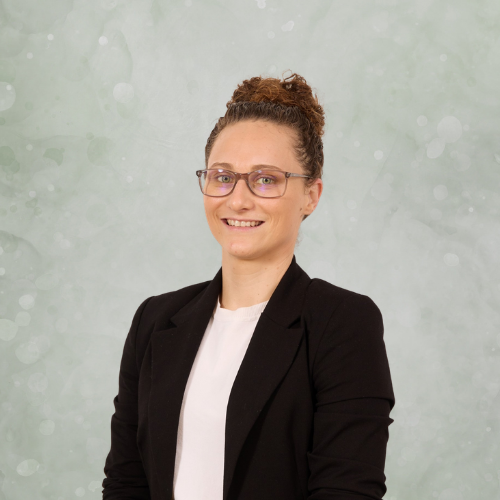
Ashleigh Finzel - Lawyer
Ashleigh Finzel has proficiency in various legal domains throughout her career and thrives in the dynamic realm of Succession Law at Bradley & Bray, where she works closely with Peter Griffin.
-

Debbie Davis - Senior Paralegal | Practice Manager
Debbie Davis has worked with our firm for 40 years and boasts impressive industry and firm knowledge across our practice areas. As an incredible long-standing member of our team, Debbie is our resident ‘go-to’ person in the firm.
-
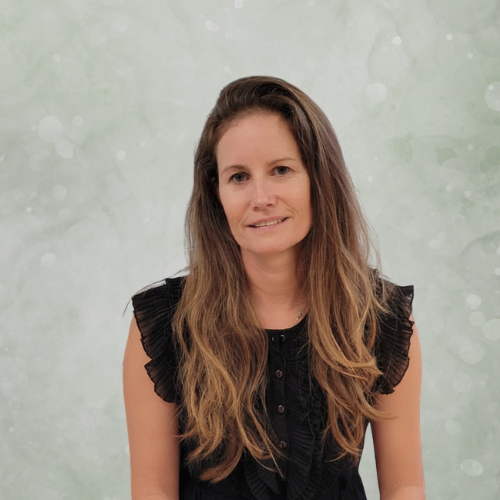
Colleen Finnerty - Succession Paralegal
Colleen Finnerty is a succession paralegal at Bradley & Bray Lawyers bringing over 30 years of experience working in Australian, British and American law firms. She genuinely enjoys helping people and takes pride in going the extra mile for clients and her team.
-
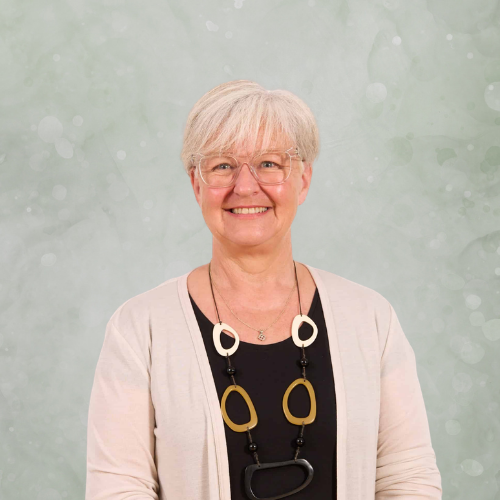
Mhorag Griffin - Administration Assistant
Mhorag Griffin brings a unique blend of skills and dedication to the team. Having run her own successful business and worked for major retail companies, she has honed her ability to deliver exceptional customer service within a collaborative team environment.
Recent Awards.

































Reach Out to Us Today
Plan for tomorrow, and live confidently today. Contact our succession law team at Bradley & Bray Lawyers for a confidential discussion about protecting your wealth with a testamentary trust. We’re here to answer your questions, cut through the asset-protection complexity, and give you the expert guidance you need to secure your legacy and protect what matters most.
Get in touch with our Sunshine Coast succession lawyers to secure your family’s future today!
We’re here to help.
Level 1, 15 Ann Street, Nambour Qld 4560
PO Box 243, Nambour Qld 4560
Latest Succession and Estate Administration News