Understanding Commercial Leases for Landlords in QLD
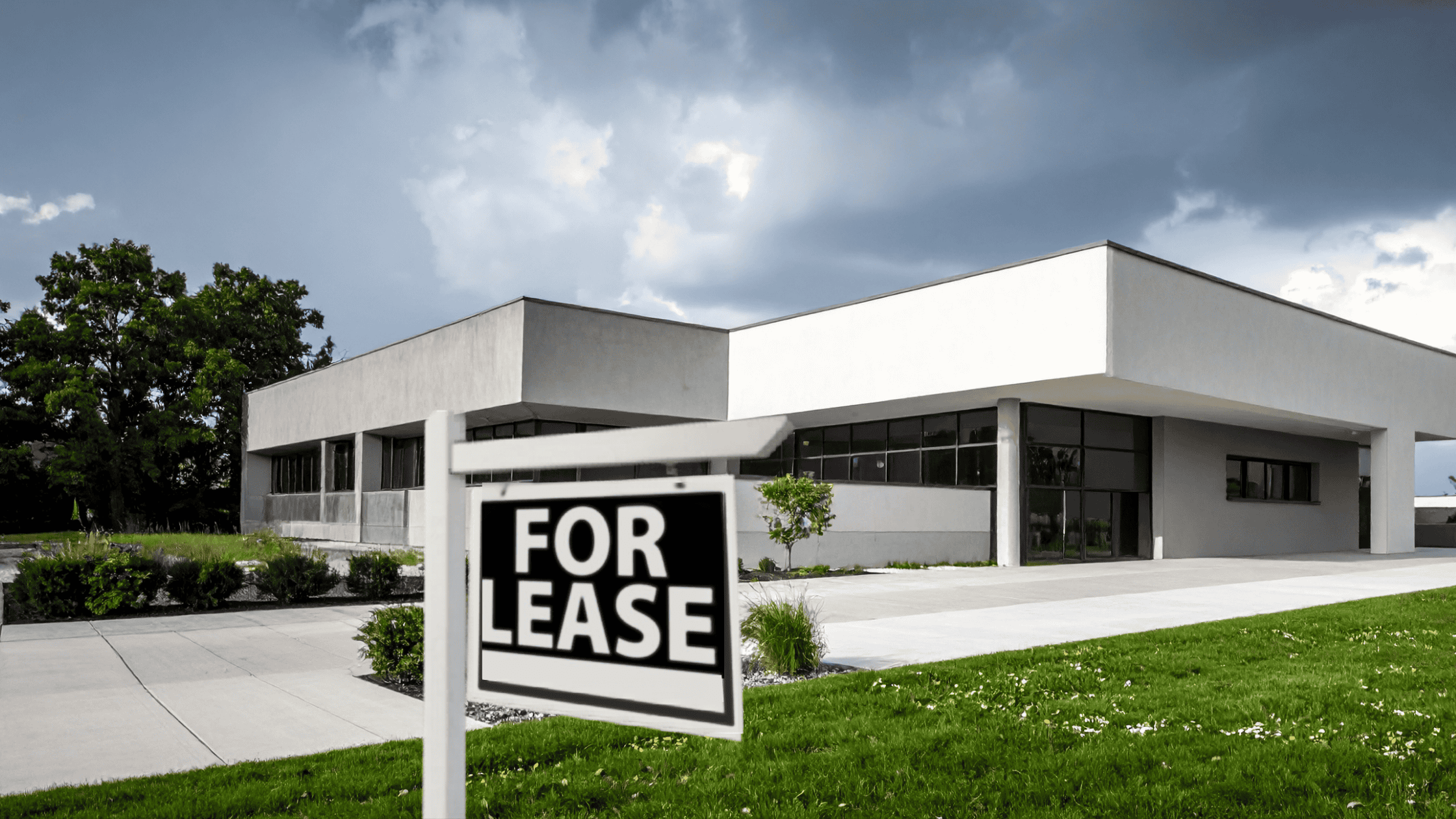
For many investors on the Sunshine Coast, owning commercial property is the “holy grail” of a portfolio. It often promises longer tenancies, higher yields, and a tenant who handles much of the day-to-day maintenance. But as any seasoned investor will tell you, a QLD commercial lease is a completely different prospect compared to residential property. The stakes are higher, the documents are more comprehensive, and a set-and-forget mentality can lead to expensive disputes if you aren’t careful.
The Standard Lease and the Cost Trap
One of the biggest issues we see is when a landlord relies on a standard commercial rental agreement in QLD. While the standard template offers you a lot of freedom to negotiate, it also means that unless a certain protection is explicitly written in the lease, you won’t be able to rely on it. Whether it's the right to redevelop the building in five years or a clear mechanism for annual rent reviews, every word in a commercial lease in QLD matters. You want a document that reflects your specific goals for that property, not a generic template that leaves your investment strategy in limbo.
This also brings up a common point of contention: Who pays the legal bills? In a standard commercial lease in QLD, it is common for the tenant to pay the landlord’s reasonable legal costs for preparing the lease. However, if the Retail Shop Leases Act applies, you are legally prohibited from passing these costs on.
Additionally, with the Property Law Act 2023 now fully in effect, there are new mandatory disclosure requirements and stricter timelines for landlord consents that must be reflected in your documents to avoid termination risks.
Understanding the Retail Shop Leases Act (RSLA)
Before you sign anything, you must determine if your property falls under the Retail Shop Leases Act 1994. If your tenant is a cafe, a hairdresser, or even certain professional services in a shopping centre, the RSLA applies.
This changes the landlord’s responsibilities in QLD significantly. For instance, under a retail lease, you cannot pass on land tax to the tenant, and you must provide a Lessor Disclosure Statement at least seven days before the lease is entered. Failing to follow these rules isn’t just a minor oversight; it can give the tenant a legal right to terminate the lease within the first six months, leaving you with an empty shop and a significant loss of sunk costs.

Outgoings, Repairs, and Rent Review Strategies
A key advantage of a QLD commercial lease is the ability to recover outgoings. However, “outgoings” is a broad term that requires a precise definition in your lease to avoid unfunded maintenance risks.
You need a clear mechanism for annual rent reviews to ensure your yield stays in line with current Sunshine Coast property trends:
Fixed Percentage: (e.g., 3–4%) Provides certainty for your bank and your tenant.
CPI Reviews: Protects your purchasing power against inflation.
Market Reviews: Usually triggered when an option to renew is exercised. Note that under the RSLA, “ratchet clauses” (which prevent rent from going down) are prohibited.
Common Risks & Mitigation Strategies for Landlords
To protect your position, you must be proactive. Here is how we help landlords mitigate the most common pitfalls:
The Risk of Tenant Default: We ensure your agreement is backed by robust security. This usually means a bank guarantee (typically 3–6 months’ rent) and a director’s personal guarantee. Unlike a cash bond, a bank guarantee is often easier to draw upon if the tenant enters insolvency.
The Risk of Failure to Trade: We ensure clauses are in the Lease which requires the Tenant to trade during the allotted operations hours, ensuring that your investment is not at risk by having a seemingly empty shop, even if the rent is still being paid.
The Risk of Assignment (Selling the Business): Under the Property Law Act 2023, there is a structured process for tenant-led assignments. While you cannot unreasonably withhold consent, you have a one-month window to issue a decision notice. We help you vet the incoming tenant’s financial standing to ensure they can actually meet the commercial rental agreement.
The “Make Good” Trap: We ensure your lease includes a strong and reasonable “Make Good” clause, requiring the tenant to return the property to a base-building state. This prevents you from losing months of rent while stripping out a previous tenant’s custom (and often unusable) fit-out.
The Bradley & Bray Approach
We understand that for landlords, time is money. Vacancy is the enemy, but a bad tenant under a weak lease is often worse than no tenant at all. Managing a commercial lease in QLD is about balancing risk with opportunity. We’re here to ensure that your lease isn’t just a piece of paper, but a robust commercial tool that protects your investment for the long haul. Contact our team of expert local commercial lawyers today to ensure your lease is drafted with a landlord-first perspective.
Disclaimer: This article is general in nature and does not constitute legal advice. If you require legal advice in relation to your personal circumstances, you must formally engage our firm, or another firm to provide legal advice in relation to your matter. Bradley & Bray lawyers take no responsibility for any use of the information provided in this article.