Are There Stamp Duty Concessions on Transferring a Family Farm?
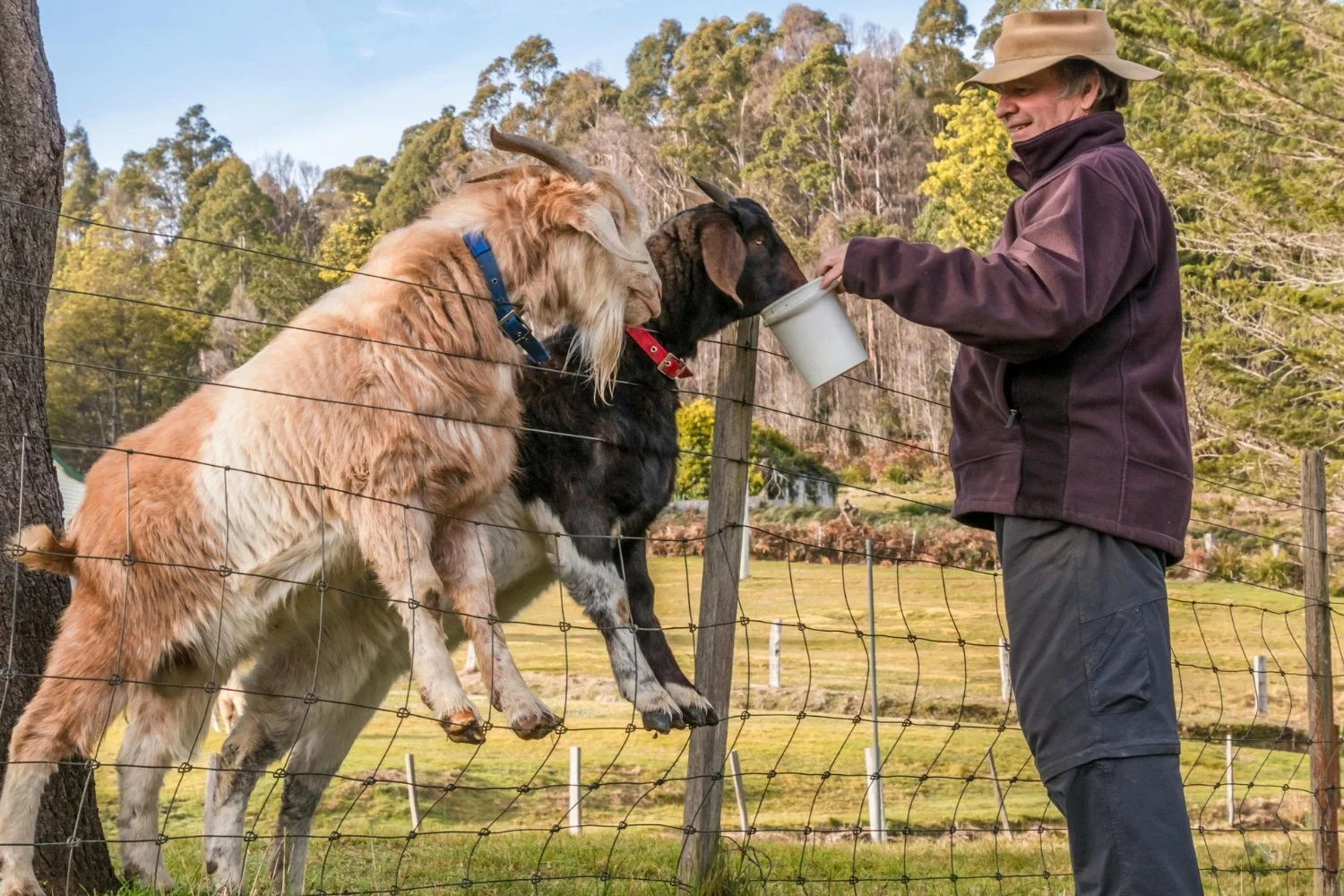
For many families on the Sunshine Coast and across regional Queensland, the family farm is more than just an asset – it’s a legacy. It represents generations of hard work and a deep connection to the land. However, when the time comes to pass the torch to the next generation, the excitement can be overshadowed by a looming question:
Who pays stamp duty for the family farm transfer in QLD?
In a typical property transaction, transfer duty (as it’s officially known) can be a significant financial hurdle. But the Queensland Government recognises that keeping farms in the family is vital for our economy and community. To support this, they offer a specific family farm exemption that can potentially reduce the stamp duty bill to zero.
What is the Family Farm Exemption?
Under normal circumstances, the stamp duty on land in Queensland is calculated based on the market value of the property being transferred. On a large-scale primary production property, that figure can easily reach tens or even hundreds of thousands of dollars.
The transfer duty concession in QLD for family farms is designed to bypass this. If you meet the criteria, you can transfer primary production land to a family member without paying any duty at all. This applies whether the transfer is a gift or a sale, which is a massive relief for families looking to transition the business while the older generation is still around to see it flourish.
Who Qualifies as a Defined Relative?
The law is quite specific about who you can pass the farm to without triggering a massive tax bill. To qualify for the family farm exemption, the person receiving the land must be a “defined relative.” This includes:
Spouses (including de facto and civil partners).
Children, grandchildren, or great-grandchildren.
Parents and grandparents.
Siblings, nieces, nephews, aunts, uncles, and even first cousins.
The spouses of any of the above.
Important Note: The concession also applies if you are transferring the farm into a family trust, provided that all the beneficiaries of that trust are also defined as relatives of the person giving the farm.
What Actually Counts as Primary Production Land?
It’s not enough for the land to be “zoned rural.” To get the transfer duty concession in QLD, the land must be primarily used for a business of primary production. This includes agriculture, grazing (pasturage), dairy farming, and even certain types of fishing or forestry.
The Queensland Revenue Office looks for a business intent. If the land is just a lifestyle block where you keep a few horses for the weekend, it likely won’t qualify. However, if there is a genuine commercial operation – like a cattle run or a macadamia orchard – the exemption is much easier to secure.
The Double House Scenario: Residential Land Included
Many family farms have a main homestead, and sometimes a second manager’s cottage or worker’s house. Good news: The family farm exemption typically extends to any residential land that is on or adjacent to the farm. This means the family home is usually included in the duty-free transfer, provided it’s part of the broader primary production land.
What About the Machinery and the Utes?
When the farm changes hands, it’s rarely just the dirt. It’s the tractors, the irrigation equipment, and the livestock.
Farm Equipment: Generally, unregistered machinery used for the business (like tractors, harvesters, and pumps) can be included in the duty-free transfer.
Water Rights: In Queensland, water allocations and entitlements used for the farm can also be transferred duty-free under this concession.
Registered Vehicles: Here is the catch. Who pays stamp duty in QLD for the registered farm ute? Registered vehicles (like utes and trucks) are usually subject to a separate vehicle registration duty. While there is a primary producer concession for heavy vehicles (over 6 tonnes), your standard farm run-around might still incur a transfer fee at the Department of Transport.
Why It’s More Than Just a Form
While the exemption sounds straightforward, the paperwork requires precision. You don’t just tick a box and hope for the best. You need to provide evidence that the business is ongoing and that the relationships meet the legal definitions.
We often see families get tripped up when the farm is held in a complex structure, like a company or a unit trust. In these cases, the “look-through” provisions are applied to ensure the family is still the ultimate beneficiary. This is where having a seasoned succession lawyer becomes invaluable; we ensure the structure of the transfer matches the strict requirements of the Duties Act.
Let Bradley & Bray Lawyers Guide You
Ready to pass on the legacy? Passing down the farm is often the biggest financial decision a primary producer will ever make. It’s about more than just dodging Queensland stamp duty on land; it’s about ensuring the business stays viable for the next fifty years.
At Bradley & Bray Lawyers, we specialise in navigating the complexities of rural property and succession law. Contact us today to see how we can help you keep the farm in the family, exactly where it belongs.
Disclaimer: This article is general in nature and does not constitute legal advice. If you require legal advice in relation to your personal circumstances, you must formally engage our firm, or another firm to provide legal advice in relation to your matter. Bradley & Bray lawyers take no responsibility for any use of the information provided in this article.